

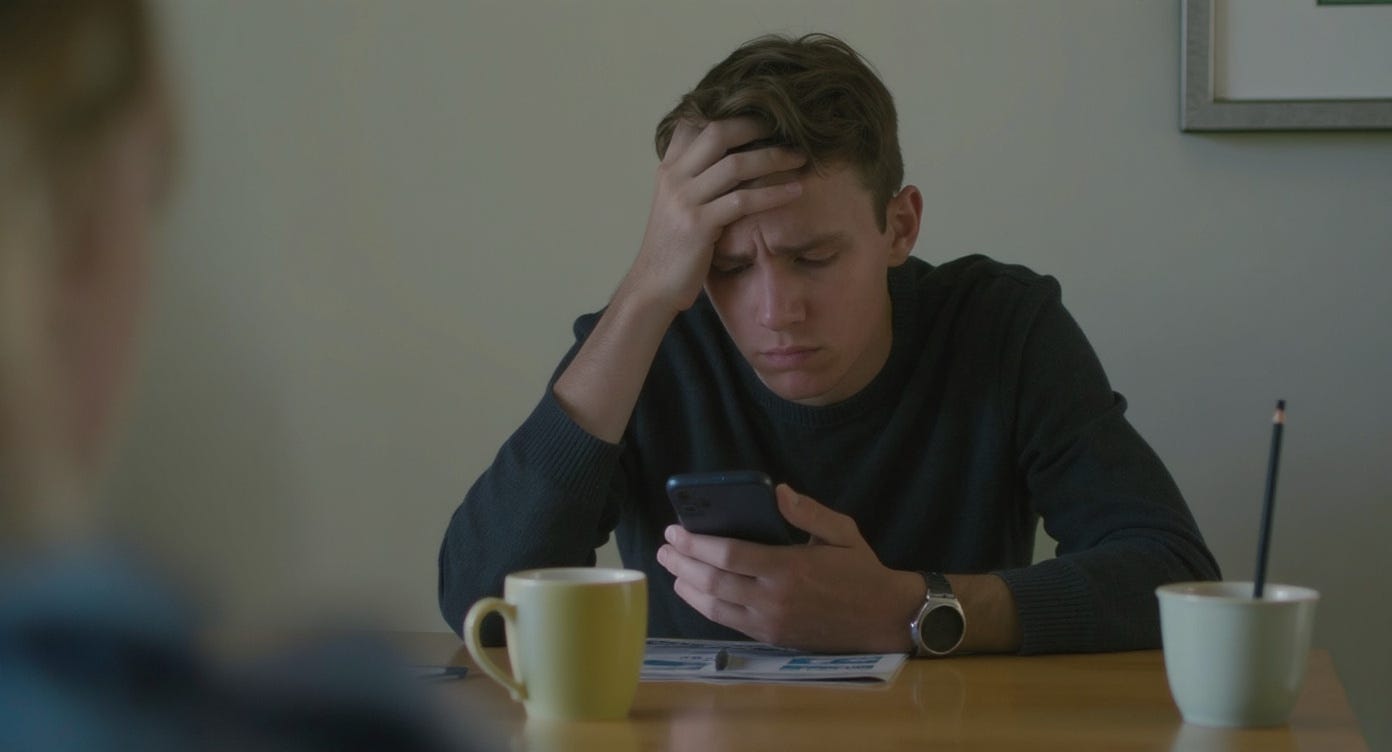
Money Anxiety Is Real and Valid
Money anxiety affects 72% of Americans, regardless of their income level. It's not about being dramatic or weak; instead, your brain is trying to protect you from perceived danger.
Even individuals with healthy bank accounts experience money anxiety. This highlights a crucial point: money anxiety isn't solely about the numbers; it's more about the feelings and fears associated with money.
Your anxiety makes sense when you understand that we often look to money for the security and peace that ultimately come from God alone.
What Fuels Money Anxiety?
Uncertainty: Money symbolizes a sense of security for our brains. When the future feels unpredictable, anxiety rises, prompting us to remain vigilant against potential threats. Yet Scripture reminds us that our ultimate security comes from the One who "knows what you need before you ask him" (Matthew 6:8).
Control: In a world full of unpredictability, money is often the one aspect we can manage. Ironically, the more we attempt to exert control over our finances, the more our anxiety escalates. This often happens when we try to control what belongs in God's hands rather than faithfully stewarding what He's entrusted to us.
Past Experiences: If you've faced financial difficulties in the past, your mind retains those memories. It stays in a state of heightened awareness, even when your current situation is stable. While learning from the past is wise, God calls us to trust His provision for today rather than being controlled by yesterday's fears.
Information Overload: Frequent monitoring of your accounts, consuming financial news, or comparing your situation to others can amplify anxiety rather than alleviate it. This constant seeking for reassurance in circumstances often increases worry rather than building the peace that comes from trusting God's faithfulness.
How Does Money Anxiety Show Up?
Money anxiety extends beyond just your thoughts; it impacts your entire body and behavior.
Physical Signs: You may experience symptoms such as a racing heart, sweaty palms, stomach knots, trouble sleeping, headaches, or muscle tension when dealing with financial matters.
Emotional Signs: You might feel overwhelmed, irritable, or panicked about your financial situation. Feelings of shame over your anxiety or frustration at not being "better" with money are also common.
Behavioral Signs: This anxiety can lead to avoiding checking your accounts, obsessively monitoring them, struggling to make purchase decisions, or steering clear of money-related conversations with loved ones.
The Anxiety Cycle That Keeps You Stuck
Money anxiety often leads to a vicious cycle. You feel anxious about your finances, so you avoid dealing with money, which in turn intensifies the anxiety. Alternatively, you might become over-vigilant, constantly checking your accounts, which also increases your stress.
This cycle isn't your fault; your brain is simply trying to find security in the wrong place. However, understanding this cycle can help you break free from it and find your peace in God's character rather than your circumstances.
Gentle Ways to Ease Money Anxiety
Ground Yourself First: When anxiety strikes, pay attention to your body. Take slow, deep breaths and feel your feet on the ground. Remind yourself of God's presence with you in this moment and that "He will never leave you nor forsake you" (Deuteronomy 31:6).
Limit Money Checking: Establish specific times to check your accounts instead of constantly monitoring them. Checking once or twice a week is often sufficient. Trust that God knows your needs and is providing for you even when you're not watching the numbers.
Create Calming Rituals: Engage in soothing activities before and after handling financial tasks to promote relaxation and mental well-being. Consider praying, listening to worship music, drinking tea, or calling a friend for support.
Practice Biblical Meditation: When anxiety rises, remember God's promises about provision. Meditate on verses like Matthew 6:26: "Look at the birds of the air; they do not sow or reap or store away in barns, and yet your heavenly Father feeds them. Are you not much more valuable than they?"
Building Safety Around Money
Start Small: Begin with small financial tasks that don't cause significant anxiety. Gradually build your confidence while remembering that your competence in stewardship is a gift from God to develop over time.
Create Support: Discuss your feelings about money with trusted friends or family. Sharing your concerns can help reduce anxiety and remind you of God's faithfulness in community.
Learn Your Patterns: Pay attention to when your money anxiety is strongest. Is it at certain times of the day or in specific situations? Understanding these patterns can help you prepare and bring them to God in prayer.
Challenge Anxious Thoughts with Truth: When your mind jumps to worst-case scenarios, gently ask yourself, "What is the most likely outcome?" and "What has God's faithfulness looked like in my life before?" Remember, anxious thoughts often distort reality.
Your Anxiety Has a Message
Money anxiety often carries important information. It may indicate that you need to build up your emergency savings for greater peace of mind, which is a wise financial decision. Alternatively, it could highlight that you're seeking security in money rather than finding your peace in God's unchanging character.
Listen to this message without allowing anxiety to control your life. You can practice wise stewardship while trusting that your ultimate security rests in God's love and provision.
You Can Find Peace With Money
Money anxiety doesn't have to dominate your life. With patience, gentle practices, and trust in God's provision, you can develop a calmer relationship with your finances.
Remember, healing from anxiety takes time. Be patient with yourself as you learn to find peace in God's character rather than your circumstances, and as you grow in faithful stewardship of what He's entrusted to you.
This content is for educational purposes only and should not be construed as financial or therapeutic advice. If you're experiencing severe anxiety, consider speaking with a mental health professional.